What are the types of sanitary fittings?
Aug 15, 2020
Sanitary fittings are an important part of piping system, ensuring the safe and efficient transfer of fluids in a hygienic environment. Designed to meet strict hygiene and cleaning standards, these accessories are ideal for industries such as food and beverage, pharmaceutical and biotech. There are many types of sanitary plumbing fittings, each serving a specific purpose to maintain the integrity of your system. Understanding the different types of sanitary plumbing fittings is critical to selecting the correct component for a specific application.
1. Sanitary fittings: These fittings are used to connect two pipes together for easy disassembly and reassembly. They are often used in systems that require frequent maintenance or cleaning because they facilitate quick access to pipes without the need for specialized tools.
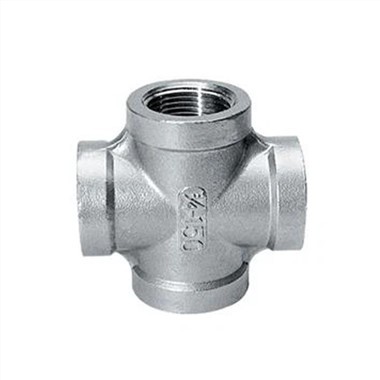
2. Sanitary Tees and Crosses: These fittings are used to create branches or intersections in ductwork. They allow water to be diverted in different directions, making them essential for designing complex pipe layouts.
3. Sanitary elbow: Elbow is used to change the direction of water flow in the pipeline system. They come in various angles, such as 45 degrees and 90 degrees, and are essential for maneuvering around obstacles or creating bends in pipes.
4. Sanitary reducer: This type of pipe fitting is used for transition between pipes of different diameters. They ensure smooth and efficient flow of fluids by minimizing disturbances caused by changes in pipe dimensions.
5. Sanitary clamps and ferrules: These fittings are used to secure and seal connections between pipes and other components such as valves and fittings. They provide a tight and hygienic seal, preventing system leakage and contamination.
6. Sanitary Valves: Valves are essential to control the flow of fluids in sanitary piping systems. They come in many types, including ball valves, butterfly valves and diaphragm valves, each serving a specific purpose in regulating the flow of liquids or gases.
7. Sanitary filters: These accessories are used to remove solid particles and impurities in the fluid flow to ensure the purity and cleanliness of the transported materials.
8. Sanitary Gaskets and Seals: Gaskets and seals are essential for creating leak-proof connections between pipe fittings. They are designed to withstand the rigors of hygienic applications and provide a reliable barrier to contamination.
By understanding the different types of sanitary plumbing fittings and their functions, we can make the right choices when selecting components for our plumbing systems to ensure the efficiency and safety of their operation.