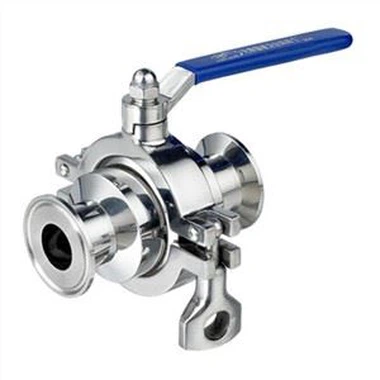
Why Do Sanitary Fittings Not Corrode?
Dec 23, 2022
Sanitary fittings will not corrode, pit, rust or wear. The corrosion resistance of sanitary pipe fittings decreases with the increase of carbon content in stainless steel. Therefore, the carbon content of most sanitary pipe fittings is low. Its main alloying element is Cr. Only when the Cr content reaches a certain value, do the sanitary Grade pipe fittings have corrosion resistance.
Chromium is the basic element for the corrosion resistance of sanitary pipe fittings. When the chromium content in the material of sanitary pipe fittings reaches about 12%, the chromium interacts with the oxygen in the corrosive medium to form a thin layer of oxide on the surface of the elbow. film and prevent further corrosion of the elbow. In addition to chromium, commonly used alloying elements include nickel, molybdenum, titanium, niobium, copper, nitrogen, etc., to meet the requirements of various pipeline environments for the structure and performance of stainless steel.

Sanitary pipe fittings to develop process regulations:
Develop process regulations to provide a complete, unified, clear process documentation; design, manufacture of structurally sound, easy to use, reliable quality of process equipment to ensure that the process has a high replication capacity. While strengthening the technical preparation of the production process, pay attention to do a good job of revising and improving the process technology, when the production of sanitary fittings products process flow and production beat changes, should be revised in a timely manner to the technical requirements of the production process. Production process technicians should be both or participate in the process design and revision work, the formation of the process from the process development, process implementation to process revision of the integrated management.