Important Knowledge Points of Pneumatic Control Valve
Dec 15, 2022
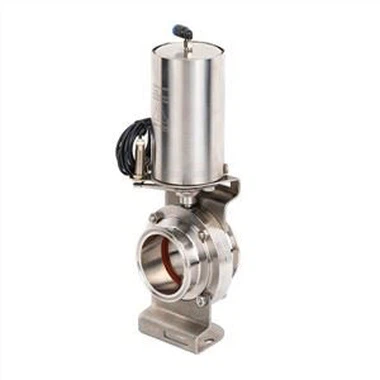
Pneumatic control valves are critical components in a variety of industrial processes, providing precise control of the flow of fluids and gases. This innovative valve uses pneumatic power to regulate the flow, pressure and direction of media, providing unparalleled precision and efficiency in a wide range of applications.
How pneumatic control valves work
The core of a pneumatic control valve is a complex mechanism that converts pneumatic signals into precise adjustment of valve position. When a change in flow or pressure is required, the pneumatic control system sends a signal to the actuator, which then adjusts the valve position accordingly. This seamless integration of pneumatic technology enables the valve to respond quickly to fluctuations in process conditions, ensuring optimal performance and control.
Pneumatic control valves regulate the flow of media based on the principle of balancing force. By utilizing compressed air or gas to actuate the valve, it regulates flow quickly and accurately, making it ideal for applications requiring precise control and fast response times. This advanced pneumatic technology can be seamlessly integrated with control systems to enable automation and remote operation, thereby increasing convenience and efficiency.

Main features and benefits
Pneumatic control valves have many features and benefits that make them an indispensable tool in industrial processes. Its main advantages include:
1. Precise control: Pneumatic control valves provide precise control of flow and pressure, ensuring optimal performance and efficiency in a variety of applications.
2. Fast response: The valve adopts a pneumatic execution system, which can quickly respond to changes in process conditions and maintain control accuracy and stability.
3. Versatility: Pneumatic control valves are suitable for a variety of media, including liquids, gases and steam, making them a versatile solution for a variety of industrial applications.
4. Reliability: Pneumatic control valves are constructed from rugged materials and advanced engineering to provide long-term reliability and durability even in harsh operating environments.
5. Automation compatibility: The valve can be seamlessly integrated with the automation system to achieve remote operation and precise control through advanced control interfaces.
Application areas:
Pneumatic control valves are widely used in a variety of industries, including oil and gas, chemical processing, power generation, water treatment, and more. Its ability to provide precise control and fast response makes it ideal for applications such as flow regulation, pressure control, temperature management and fluid handling in a variety of industrial processes.
In summary, pneumatic control valves represent cutting-edge solutions for precise and efficient control of fluid and gas flow. Its advanced pneumatic technology combined with precision engineering makes it an indispensable tool for enhancing process control and performance in a variety of industrial applications. Offering reliability, versatility and automation compatibility, pneumatic control valves are key components in optimizing industrial processes to increase efficiency and productivity.